
Consul's Corner - Travel & Safety Tips from a Diplomatic Career
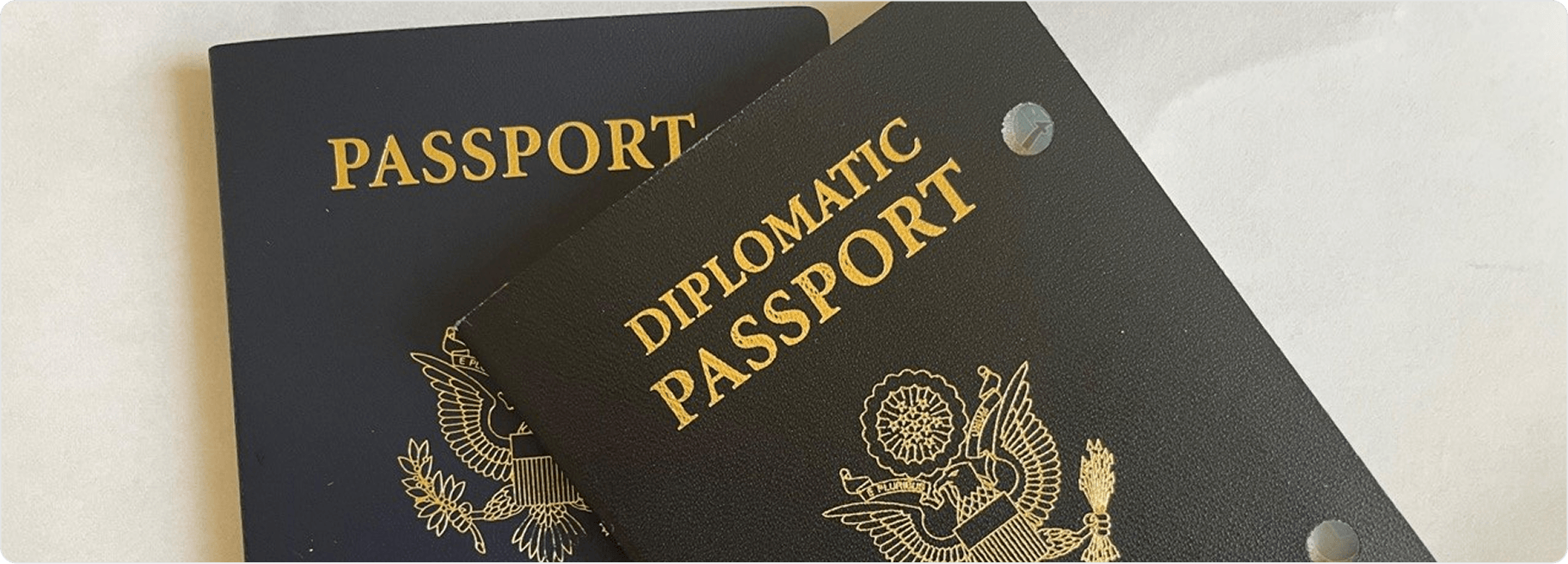
Expired U.S. Passports as Evidence of Citizenship: General Information for the Public
(Last updated June 2026)
Disclaimer: The information in this post is provided for general informational and educational purposes only. It does not constitute legal advice, nor does it create an attorney–client relationship. Although care is taken to ensure accuracy, laws and regulations relating to U.S. citizenship and identification can change. Individuals should consult a qualified legal professional or the appropriate government agency before acting on any information discussed here.
Understanding the Role of a U.S. Passport:
A U.S. passport is one of the most widely recognized documents issued by the federal government. Beyond serving as a travel document, it also reflects that the bearer has been verified as a U.S. citizen at the time of issuance. Drawing on my experience as a retired U.S. Consul, one point that often surprises people is that a U.S. passport—whether valid or expired—has long been recognized as evidence of U.S. citizenship. During my overseas service, it was common practice for U.S. citizens to keep a valid passport, or a certified copy of one, available when interacting with local authorities or consular services.
Use of Expired Passports Within the United States:
Publicly available federal guidance notes that a U.S. passport originally issued with full validity can serve as evidence of U.S. citizenship even after it expires. Different agencies may have their own documentation requirements, so individuals should always confirm what is acceptable for their specific purpose.
This distinction is important: the recognition of an expired passport as evidence of citizenship does not automatically mean it is acceptable for every identification or administrative requirement. Agencies and authorities may have their own rules, and those rules can change.
Relevant Federal Regulation:
A commonly referenced regulation on this topic is 42 CFR § 435.407, which outlines documents acceptable as evidence of U.S. citizenship for certain federal purposes.
Under 42 CFR 435.407(a)(1), a U.S. passport or passport card is listed as acceptable evidence “without regard to any expiration date,” provided the document was originally issued without limitation. This regulation is often cited because it clearly distinguishes between:
- Full‑validity passports (10 years for adults, 5 years for minors), and
- Limited‑validity or emergency passports, which may not meet the same evidentiary standard.
Key Points to Remember:
- Expiration Does Not Always Affect Citizenship Evidence: A full‑validity U.S. passport may still be recognized as evidence of citizenship even after it expires.
- Full Validity Matters: The regulation applies to passports issued for the standard period.
- Limited‑Validity Passports Differ: Emergency or limited‑validity passports—often issued for one year or less—may not qualify under the same regulatory provision.
- Agency Requirements Vary: Individuals should always verify what documentation is acceptable for their specific situation.
Why This Information Matters:
For many people, citizenship documentation can feel confusing or intimidating. Understanding the general role of a U.S. passport—valid or expired—can help individuals better navigate interactions with government agencies, travel processes, and administrative requirements.
As a Virginia notary public, my role is not to provide legal advice or interpret laws, but to share general, publicly available information that may help individuals ask the right questions and seek the appropriate guidance.
Book Your Notarization Appointment
Ready to get your documents notarized?
Book an AppointmentRelated articles:
“The Last Consular Officers at the Gate” by Arleen Grace R. Genuino

The Go/No-Go Trip Decision: Good Resources to Evaluate Travel Risks for Your Next Overseas Adventure
Expired U.S. Passports as Evidence of Citizenship: General Information for the Public
DISCLAIMER:
I am not an attorney licensed to practice law in the Commonwealth of Virginia and may not give legal advice about immigration or any other legal matter, or accept fees for legal advice. I am not accredited by the U.S. Department of Justice to represent you in immigration matters or before any government agency. I am a retired U.S. Consul and am not a currently accredited diplomat; I cannot comment on, advise on, or facilitate U.S. Department of State or consular policy/procedures. I am a commissioned Virginia Notary Public. My services are limited solely to the notarization of signatures on documents. I am not authorized to select, draft, or fill out immigration forms, or provide assistance with the immigration process (VA Code § 47.1-15.1). Notarization does not constitute legal advice or guarantee document acceptance.
Information, articles, and links provided from U.S. Government sources (e.g., .gov or .mil sites) are external, government-owned websites for educational and informational purposes only. The inclusion of these links does not constitute an endorsement or recommendation of A Genuine Consul by the U.S. Government, the Department of State, USCIS, Department of Treasury, or any other federal agency. While we aim to share accurate, current information, we cannot guarantee the content is up-to-date or exhaustive. The official version of any government document is that which appears on the official government website.
Links on this website to articles, documents, or resources from the Commonwealth of Virginia (including virginia.gov and its affiliated agencies) are external, government-owned websites provided solely as a helpful, public-domain resource for our users. We do not warrant the accuracy, reliability, or timeliness of this information. The Commonwealth of Virginia does not endorse A Genuine Consul or the content of this website. Information accessed through these links may be changed or updated without notice. Any reliance on information obtained from these links is at your own risk.
PUBLIC MEETING POLICY DISCLAIMER:
I specialize in ‘Public-Point’ mobile notarizations. To ensure an efficient and secure environment for document completion, I meet clients at convenient public hubs like Starbucks or Panera Bread, Arlington County Public Library branches, or your office building’s main lobby.